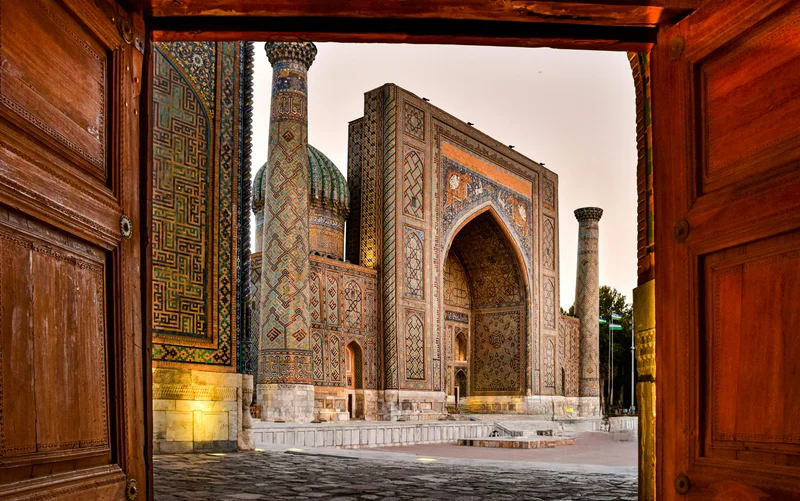

Khiva is one of the most fascinating destinations in Uzbekistan and a highlight of the historic Silk Road. Famous for its ancient city walls, turquoise-tiled minarets, decorated madrasahs, and narrow streets, Khiva feels like stepping into an open-air museum.
Located in the Khorezm region of western Uzbekistan, Khiva offers a different atmosphere from Samarkand and Bukhara. While Samarkand is known for its monumental architecture and Bukhara for its historic religious complexes and trading streets, Khiva is especially memorable for its compact, remarkably atmospheric old town.
Whether you are planning a short visit or a longer journey across Uzbekistan, this Khiva travel guide will help you discover the city's main attractions, decide how long to stay, understand how to get there, and prepare for your trip.
1. Where Is Khiva?
Khiva is located in western Uzbekistan, in the historic Khorezm region, near the Amu Darya River and the border with Turkmenistan.
The city's most famous area is Ichan Kala, the walled inner town that contains many of Khiva's best-known historical monuments. Its defensive walls, traditional houses, mosques, minarets, and madrasahs create one of the most distinctive historic cityscapes in Central Asia.
Khiva is farther from Tashkent and Samarkand than many first-time visitors expect, so it is worth planning transport carefully. Many travelers visit Khiva as part of a multi-city Uzbekistan itinerary that also includes Bukhara and Samarkand.
2. Why Visit Khiva?
Khiva is an excellent destination for travelers interested in history, architecture, photography, and traditional Central Asian culture.
Here are some reasons to include it in your itinerary:
A beautifully preserved old town: Explore Ichan Kala, a historic district surrounded by massive defensive walls.
Unique Silk Road architecture: Discover minarets, madrasahs, mosques, courtyards, and intricately decorated buildings.
An atmospheric walking experience: Many of the main sights are close together, making the old town convenient to explore on foot.
Excellent photography opportunities: Turquoise tiles, carved wooden doors, sandy-colored walls, and sunset views create beautiful scenes.
Local culture and cuisine: Try regional Khorezm dishes and discover the traditions of western Uzbekistan.
A different side of Uzbekistan: Khiva complements the grand monuments of Samarkand and the historic trading atmosphere of Bukhara.
For travelers who want to understand the diversity of Uzbekistan's Silk Road heritage, Khiva is well worth the journey.
3. Best Things to Do in Khiva
Explore Ichan Kala
Ichan Kala is the historic inner town of Khiva and the heart of the visitor experience. Its fortified walls enclose a remarkable collection of historical buildings, courtyards, traditional houses, and narrow streets.
Begin your visit by walking through the old town and observing its architectural details. Look for carved wooden doors, decorative tilework, traditional courtyards, and the changing colors of the buildings in the morning and late afternoon light.
You can explore independently or hire a local guide to learn more about Khiva's rulers, religious institutions, craftsmanship, and role in regional trade.
Allow several hours to explore Ichan Kala, even if you plan to visit only its best-known monuments.
Visit Kalta Minor Minaret
Kalta Minor is one of Khiva's most recognizable landmarks. Its broad shape and colorful turquoise and blue tilework make it stand out among the surrounding buildings.
The minaret was intended to become much taller, but construction was never completed. Today, its unusual proportions and richly decorated exterior make it one of the most photographed places in the city.
Visit early in the morning for a quieter atmosphere or later in the day when the light brings out the colors of the tiles.
Discover the Muhammad Amin Khan Madrasah
Located beside Kalta Minor, the Muhammad Amin Khan Madrasah is one of the largest historic madrasahs in Khiva.
Its impressive entrance, decorative brickwork, and traditional architectural design offer a glimpse into the city's educational and religious history. The building also helps explain how important Khiva was as a regional center of learning and culture.
As you walk around the complex, take time to observe the relationship between the madrasah, the minaret, and the surrounding streets.
Climb the Islam Khoja Minaret, if Open
The Islam Khoja Minaret is another famous feature of Khiva's skyline. Its tall, slender form contrasts with the much wider Kalta Minor.
The surrounding Islam Khoja complex includes a madrasah and offers insight into the city's later architectural development.
Access to the minaret may depend on current visitor arrangements, opening conditions, and any applicable ticket requirements. If climbing is available during your visit, be prepared for narrow steps and a physically demanding ascent.
The elevated view can provide a memorable perspective over Ichan Kala, with its rooftops, courtyards, and historic monuments.
Visit Kunya-Ark Citadel
Kunya-Ark was the inner fortress and residence of Khiva's rulers. Located within Ichan Kala, it functioned as an important center of political and administrative life.
Explore its courtyards and surviving architectural features to learn about the organization of the historic khanate. The complex also offers attractive viewpoints over the old town from designated elevated areas, where access is permitted.
This is an especially worthwhile stop for visitors interested in the political history of Khiva and the rulers who shaped the city.
See the Juma Mosque
The Juma Mosque is famous for its forest of wooden columns. Unlike the grand domed mosques found in some other Central Asian cities, this mosque is known for its distinctive interior and traditional wooden craftsmanship.
As you walk through the building, look closely at the columns. Their designs and details reflect different periods of construction and restoration.
The mosque is one of the most distinctive architectural experiences in Khiva and a useful reminder that the city's heritage extends beyond its colorful minarets.
Explore Tash Khauli Palace
Tash Khauli, meaning “Stone Courtyard,” is a historic palace associated with the rulers of Khiva.
The complex contains courtyards and rooms decorated with colorful tiles, carved wooden details, and traditional ornamentation. Its design illustrates the importance of privacy, formal reception spaces, and domestic life in the palace.
Take your time here rather than rushing from one monument to another. The patterns, colors, and craftsmanship are among the highlights of Khiva's architectural heritage.
Visit Pahlavan Mahmud Mausoleum
The Pahlavan Mahmud Mausoleum is one of Khiva's most important religious and cultural sites. It is associated with Pahlavan Mahmud, a revered historical figure remembered as a poet, craftsman, and wrestler.
The complex is notable for its blue and turquoise tilework, decorated interiors, and spiritual significance. It remains an important place of respect, so visitors should dress appropriately and behave considerately.
Because it is a religious site as well as a historical attraction, remember that access arrangements and photography rules may differ from those at other monuments.
Walk Along Khiva's Ancient City Walls
Khiva's defensive walls are an essential part of its identity. Built and modified over time, they surround Ichan Kala and create the distinctive outline of the old town.
Walk beside the walls to appreciate their scale and traditional construction. Some viewpoints and accessible sections offer attractive opportunities for photography, especially when the sunlight creates warm tones across the clay-colored surfaces.
Follow local signs and restrictions, as not every section of the walls may be accessible to visitors.
Enjoy Khiva After Sunset
Khiva is worth exploring after the daytime crowds begin to thin. The old town takes on a different atmosphere in the evening, when the historic buildings are illuminated and the streets become quieter.
Take an evening walk through the central lanes, enjoy a meal at a local restaurant, or find a comfortable place to sit and observe the architecture.
If photography is important to you, consider visiting the same location at different times of day. Morning, afternoon, and evening light can make familiar buildings look completely different.
4. How Much Time Do You Need in Khiva?
For most visitors, one full day is enough to see many of Khiva's main sights, while two nights allow a more relaxed experience.
Your ideal stay depends on your interests and transport schedule.
A short visit: If you arrive early and leave the following day, you can explore Ichan Kala, visit several major monuments, enjoy local food, and walk through the old town in the evening.
A relaxed visit: With two nights, you have more time to explore the monuments, take photographs, visit smaller museums where available, and enjoy the city without rushing.
A longer stay: Consider extra time if you are interested in regional culture, traditional crafts, local life, or excursions beyond the historic center.
Remember to check transport schedules before deciding how long to stay. Travel connections can influence your itinerary more than the distances between attractions.
5. One-Day Khiva Itinerary
If you have only one day, use this suggested route to make the most of your time.
Morning:
Start at Ichan Kala and walk through the historic streets while the temperatures are relatively comfortable. Visit Kalta Minor, the Muhammad Amin Khan Madrasah, and Kunya-Ark. Continue to the Juma Mosque to see its distinctive wooden columns.
Late morning:
Explore Tash Khauli Palace and the Pahlavan Mahmud Mausoleum. Allow enough time to appreciate the decorative details and learn about the historical significance of each site.
Lunch:
Stop at a local restaurant and try a regional dish from Khorezm. Choose a place that gives you time to relax before continuing your walk.
Afternoon:
Visit the Islam Khoja complex and other monuments that interest you. If access is available and you feel comfortable with the climb, consider ascending the Islam Khoja Minaret.
Spend the remaining afternoon exploring smaller streets, traditional architecture, craft shops, and viewpoints around the old town.
Evening:
Return to a favorite location for photographs, enjoy dinner, and experience Ichan Kala after sunset.
This route is flexible. Opening arrangements, ticket requirements, weather, and your pace may affect how many monuments you can visit in one day.
6. What to Eat in Khiva
Food is an important part of discovering Khorezm culture. While you can find familiar Uzbek dishes in Khiva, the region also has its own culinary traditions.
Shivit Oshi
Shivit oshi is one of Khiva's best-known regional dishes. It is prepared with green dill noodles and is commonly served with a sauce or stew, often featuring meat, potatoes, and vegetables.
Its bright green color makes it instantly recognizable. If you want to try a dish closely associated with Khiva, this is an excellent choice.
Tukhum Barak
Tukhum barak is a traditional Khorezm dish consisting of dumpling-like parcels filled with an egg-based mixture. It is a regional specialty and a good option for travelers who want to explore local cuisine beyond the dishes commonly found throughout Uzbekistan.
Recipes and serving styles vary, so ask a local restaurant about its preparation.
Plov
Plov is one of Uzbekistan's most famous dishes, made with rice and usually combined with carrots, onions, and meat. Recipes vary across the country, and trying plov in different regions can be part of the travel experience.
Samsa and Local Bread
Samsa, a baked pastry often filled with meat or vegetables, is a convenient snack while sightseeing. Traditional Uzbek bread is also worth trying, whether served with a meal or purchased from a local bakery.
Tea and Local Hospitality
Tea is central to Uzbek hospitality. Enjoying tea in a traditional setting is a simple way to slow down and experience the local atmosphere.
If you have dietary restrictions, ask about ingredients before ordering, as recipes and preparation methods can vary.
7. Best Time to Visit Khiva
The most comfortable seasons for sightseeing are generally spring and autumn, when daytime temperatures are often more suitable for walking around the old town.
Spring
Spring offers a pleasant setting for exploring Khiva on foot. Conditions can vary, but this is a popular season for cultural trips and photography.
Summer
Summer can be very hot in western Uzbekistan. If you visit during this period, start sightseeing early, take breaks in shaded or indoor areas, carry water, and avoid spending the hottest part of the day in direct sunlight where possible.
Autumn
Autumn is another excellent period for visiting Khiva. The weather is often suitable for walking, and the old town is particularly rewarding for travelers who want to explore at a comfortable pace.
Winter
Winter can be cold, and some days may be windy. The city can offer a quieter experience, but you should bring warm clothing and check travel arrangements carefully.
For the most comfortable trip, choose your travel dates according to your preferred weather and sightseeing style. Check the forecast shortly before departure.
8. How to Get to Khiva
Khiva is in western Uzbekistan, and the best route depends on where your journey begins.
From Tashkent to Khiva
Travelers from Tashkent can consider rail connections toward the Khorezm region or flights to Urgench, followed by a road transfer to Khiva.
Urgench is the main nearby city with an airport. From there, travelers typically continue by taxi, private transfer, or another local transport option.
Check current train schedules, flight availability, baggage rules, and transfer arrangements before booking, as services and journey times can change.
From Bukhara to Khiva
Many travelers combine Bukhara and Khiva on a Silk Road itinerary. You can investigate available rail services or arrange road transport, depending on your schedule and preferred travel style.
A private transfer can offer flexibility for travelers who want a direct journey, especially families, small groups, or visitors carrying substantial luggage. Confirm the total journey time, pickup point, vehicle type, and any planned stops before booking.
From Samarkand to Khiva
Traveling from Samarkand to Khiva requires more planning because of the distance. Compare available rail and air connections through the relevant transport hubs, or consider a private journey if it fits your schedule.
If you are planning to visit Samarkand, Bukhara, and Khiva in one trip, organize the transport legs before confirming your hotels. This can help you avoid unnecessary backtracking and make better use of your travel days.
From Urgench to Khiva
Urgench is a convenient arrival point for visitors heading to Khiva. The final journey is by road, and options may include a taxi, a pre-arranged private transfer, or other local transport.
If you arrive late in the evening or have an early departure, arranging your transfer in advance can make the journey more straightforward.
9. Where to Stay in Khiva
For most first-time visitors, staying near or within walking distance of Ichan Kala is a convenient choice.
Inside or Near the Old Town
Accommodation in and around Ichan Kala puts you close to the main monuments, restaurants, and evening walking routes. Traditional guesthouses can offer a more local atmosphere, while hotels may provide different levels of comfort and facilities.
Staying nearby is particularly useful if you want to photograph the city early in the morning or explore again after sunset.
Outside the Historic Walls
Accommodation outside Ichan Kala may offer more choice in some price categories and can suit travelers who prioritize parking or particular hotel facilities.
Before booking, check the walking distance to the old town, luggage access, breakfast arrangements, and whether the property can help organize transfers.
Tips for Choosing Accommodation
Check the exact location on a map.
Confirm whether breakfast is included.
Ask about check-in arrangements if you arrive late.
Review recent guest feedback.
Confirm parking or vehicle access if traveling by car.
Book ahead during busy travel periods if you want a specific property or room type.
10. Practical Travel Tips for Khiva
Wear comfortable shoes. The old town is best explored on foot, and surfaces can be uneven.
Bring sun protection. A hat, sunscreen, and drinking water are particularly important during hot weather.
Check monument tickets and opening arrangements. Access rules, ticket combinations, and individual attraction fees may change. Confirm the current details locally before planning your day around a specific monument.
Carry some local currency. Payment methods can vary between businesses, so having cash available can be useful.
Respect religious sites. Dress modestly when visiting religious monuments and follow any photography restrictions or instructions.
Ask before photographing people. A polite request is appreciated, especially when taking close-up portraits.
Start early. Visiting major monuments in the morning can help you avoid some of the heat and busiest periods.
Allow time for transport. Khiva is not close to every other major destination in Uzbekistan, so do not underestimate travel time between cities.
Learn a few Uzbek words. A simple greeting or thank-you can help create a friendly connection with local people.
Keep your itinerary flexible. Weather, transport schedules, and access to individual sites may influence your plans.
11. Is Khiva Worth Visiting?
Yes. Khiva is one of the most rewarding destinations in Uzbekistan for travelers interested in historic architecture and Silk Road culture.
Its compact old town makes it possible to see many major monuments within a relatively short visit, while its decorative buildings, city walls, and evening atmosphere encourage travelers to slow down and explore.
Khiva is particularly worthwhile when combined with Samarkand and Bukhara. Each city presents a different side of the region's history, architecture, and cultural traditions.
If your trip allows enough time, consider including all three cities rather than choosing only one. The contrast between them makes a Silk Road journey through Uzbekistan more complete.
12. Suggested Uzbekistan Itinerary Including Khiva
If you are planning a first visit to Uzbekistan, you could organize your route around the country's main Silk Road destinations.
Days 1–2: Tashkent
Explore the capital, visit its markets and cultural attractions, and prepare for the journey west.
Days 3–4: Samarkand
Discover Registan Square, Shah-i-Zinda, Bibi-Khanym Mosque, and other historic monuments.
Days 5–6: Bukhara
Explore the old town, historic trading domes, Poi Kalyan complex, Lyabi-Hauz, and other architectural highlights.
Days 7–8: Khiva
Walk through Ichan Kala, visit the main monuments, and enjoy the city's atmosphere in the evening.
This is an example rather than a fixed schedule. Depending on transport availability and your interests, you may need to add travel time, change the order, or extend your stay.
For more planning inspiration, read our Uzbekistan travel guide and seven-day Uzbekistan itinerary. You can also explore our Samarkand travel guide and Bukhara travel guide.
Frequently Asked Questions About Khiva
How many days do you need in Khiva?
One full day is enough for many of the main sights in Ichan Kala. Two nights provide a more relaxed experience and allow time for photography, meals, and additional monuments.
What is Khiva famous for?
Khiva is best known for Ichan Kala, its historic walled inner town, as well as Kalta Minor Minaret, Islam Khoja Minaret, Juma Mosque, Tash Khauli Palace, and its traditional Khorezm architecture.
Can you explore Khiva on foot?
Yes. Most major attractions inside Ichan Kala are within walking distance of one another. Comfortable shoes are recommended because streets and surfaces can be uneven.
Is Khiva better than Samarkand or Bukhara?
Each city offers a different experience. Samarkand is famous for monumental Silk Road architecture, Bukhara for its historic religious and trading complexes, and Khiva for its compact walled old town. Visiting all three gives you a broader understanding of Uzbekistan.
What is the best time to visit Khiva?
Spring and autumn are generally comfortable seasons for walking and sightseeing. Summer can be very hot, while winter can be cold and windy.
How do I get from Urgench to Khiva?
Urgench is the nearest major arrival point for many visitors. You can continue by taxi, private transfer, or another local transport option. Arrange your transfer in advance if you arrive late or have a tight schedule.
Is Khiva suitable for families?
Yes. Families can enjoy the historic streets and architecture together. However, parents should consider the heat, walking distances, uneven surfaces, and the needs of younger children when planning the day.
Do I need a guide in Khiva?
You can explore the old town independently, but a knowledgeable local guide can help explain the history, architecture, and cultural significance of the monuments. A guided tour can be particularly valuable if you have limited time.
Plan Your Uzbekistan Journey with Union Travel
Khiva is an unforgettable part of Uzbekistan's Silk Road heritage, and combining it with Samarkand and Bukhara creates a rewarding cultural journey.
At Union Travel Uzbekistan, we help travelers explore Uzbekistan and neighboring destinations through local tours, private transport, and customized travel arrangements.
Whether you are planning a city tour, a multi-day Silk Road itinerary, or a private transfer between destinations, our team can help you organize a trip around your schedule and interests.
Visit Union Travel Uzbekistan to explore your options and start planning your journey.
Discover Uzbekistan beyond the guidebooks — one historic city at a time.