
Samarkand is one of the most fascinating destinations in Uzbekistan. Located along the historic Silk Road, this ancient city is famous for its magnificent blue-tiled architecture, impressive Islamic monuments, traditional bazaars, and rich cultural heritage.
From the breathtaking beauty of Registan Square to the peaceful courtyards of Shah-i-Zinda, Samarkand offers visitors a journey through centuries of history. But there is more to the city than its famous monuments. You can taste traditional Uzbek cuisine, explore lively markets, discover local crafts, and experience the hospitality that makes Uzbekistan special.
Whether you are visiting for one day or planning a longer stay, this guide covers the best things to do in Samarkand, practical sightseeing tips, and advice to help you plan your visit.
1. Visit Registan Square
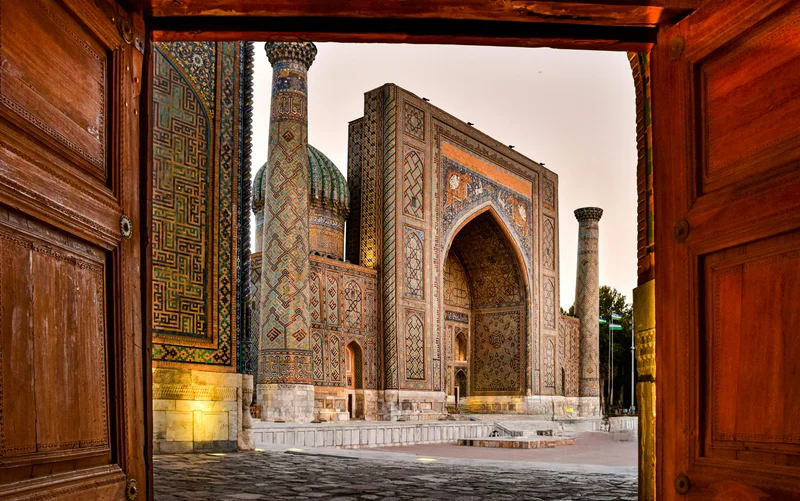
Registan Square is the most recognizable landmark in Samarkand and a highlight of any trip to Uzbekistan. The magnificent ensemble consists of three historic madrasahs: Ulugh Beg Madrasah, Sher-Dor Madrasah, and Tilya-Kori Madrasah.
Their decorated portals, turquoise domes, intricate mosaics, and geometric patterns showcase the extraordinary craftsmanship of Central Asian architecture.
During the Timurid period and the centuries that followed, Registan became an important center of public life, education, and trade. Today, it remains one of the city's most memorable places to explore.
Travel tips:
Allow around 1–2 hours to explore the square and its madrasahs.
Visit in the morning for a more relaxed experience, or later in the day for beautiful light and atmospheric photographs.
Take time to look closely at the tilework and decorative details.
Check current entrance fees and opening hours before your visit.
If you visit only one attraction in Samarkand, Registan Square should be at the top of your list.
2. Explore Shah-i-Zinda Necropolis
Shah-i-Zinda is one of the most remarkable architectural complexes in Samarkand. Its narrow passageway is lined with richly decorated mausoleums featuring shades of blue, turquoise, and green.
The name is commonly translated as “The Living King.” The complex developed over several centuries and contains important religious and funerary monuments.
Walking through Shah-i-Zinda feels like entering an open-air gallery of traditional Islamic architecture. Each mausoleum has its own decorative patterns, tilework, and architectural character.
Travel tips:
Allow approximately 45–90 minutes for your visit.
Wear comfortable shoes because the complex includes steps and uneven surfaces.
Dress respectfully, as Shah-i-Zinda is a religious and funerary site.
Visit with a knowledgeable guide if you want to understand the historical significance of the complex and its individual monuments.
Shah-i-Zinda is also one of the most photogenic places in Samarkand, particularly for travelers interested in architecture and cultural photography.
3. Discover the Gur-e-Amir Mausoleum
Gur-e-Amir is the mausoleum associated with Amir Timur, also known as Tamerlane, the ruler who established a powerful empire in the late fourteenth century.
The building is famous for its striking ribbed dome, richly decorated interior, and intricate ornamental designs. It is an important monument for understanding the history of the Timurid dynasty and the development of Samarkand as an imperial capital.
Inside, visitors can admire the decorative craftsmanship and learn about the figures connected with the mausoleum.
Travel tips:
Allow around 30–60 minutes.
Look at the dome from different angles to appreciate its shape and proportions.
Consider combining the visit with Registan Square, as both are central highlights of Samarkand's historic heritage.
For anyone interested in history, architecture, or the legacy of Amir Timur, Gur-e-Amir is an essential stop.
4. Visit the Bibi-Khanym Mosque
The Bibi-Khanym Mosque is one of Samarkand's grand historic religious monuments. Built at the end of the fourteenth and beginning of the fifteenth century under the patronage of Amir Timur, it was intended to reflect the power and ambition of his empire.
The complex features a monumental entrance portal, impressive architectural proportions, decorated surfaces, and a large courtyard.
Although the building has experienced damage and restoration over the centuries, it remains an important example of Timurid architecture.
Travel tips:
Allow around 30–45 minutes.
Combine your visit with the nearby Siab Bazaar.
Wear respectful clothing and follow any visitor instructions.
Check the current entrance arrangements before arriving.
The mosque is particularly interesting for travelers who want to understand how architecture was used to express the prestige of the Timurid state.
5. Experience the Atmosphere of Siab Bazaar
A visit to Samarkand would not be complete without exploring Siab Bazaar, one of the city's best-known traditional markets.
The bazaar is a lively place to discover local food, seasonal produce, dried fruits, nuts, sweets, spices, and traditional Uzbek bread. It also provides a glimpse into everyday life, where residents shop, meet, and exchange news.
Samarkand is particularly famous for its distinctive bread, and the market is a good place to see local varieties and purchase edible souvenirs.
What to try or buy:
Traditional Samarkand bread.
Dried apricots, raisins, and other dried fruits.
Nuts and locally produced sweets.
Spices and small food gifts to take home, subject to your destination's import rules.
Travel tips:
Allow around 45–90 minutes.
Bring some cash for small purchases.
Ask before taking close-up photographs of vendors or other people.
Check the market's current operating hours before planning your visit.
Siab Bazaar offers a different perspective on Samarkand: less about monumental history and more about the living culture of the city.
6. Learn About Ancient Samarkand at the Afrasiab Museum
Long before the monumental buildings of the Timurid era, the Samarkand region was home to ancient settlements and the Sogdian civilization.
The Afrasiab archaeological site preserves the remains of an ancient city associated with early Samarkand. Nearby, the Afrasiab Museum introduces visitors to the history and archaeology of the settlement.
One of the museum's best-known highlights is its collection of ancient wall paintings, which provides insight into the artistic traditions, diplomacy, and cultural connections of the region.
Travel tips:
Allow around 45–90 minutes for the museum and, if accessible, the archaeological site.
Consider visiting with a guide who can explain the historical context.
Confirm current opening hours and any restrictions before your visit.
Afrasiab is an excellent choice for travelers who want to understand Samarkand beyond its famous medieval monuments.
7. Visit the Ulugh Beg Observatory
Samarkand was not only a center of trade and architecture; it also became an important center of scientific research.
In the fifteenth century, Ulugh Beg, a Timurid ruler and astronomer, established an observatory that contributed to the study of astronomy. Its remains and associated museum help visitors understand the scientific achievements of his era.
The observatory is especially interesting for travelers who enjoy science, mathematics, and the history of knowledge.
Travel tips:
Allow around 30–60 minutes.
Consider combining the observatory with the Afrasiab Museum because both are located in the northern part of the city.
A guide can help explain the observatory's historical significance and the astronomical instruments used at the time.
This attraction reveals another side of Samarkand's history: its contribution to science as well as art and architecture.
8. Taste Traditional Uzbek Food
Food is an essential part of the travel experience in Uzbekistan. In Samarkand, visitors can explore traditional dishes that have developed through centuries of local culinary culture.
Here are several dishes to try:
Samarkand plov: A regional variation of Uzbekistan's famous rice dish, usually prepared with carrots, meat, onions, and spices.
Samarkand bread: Known for its distinctive appearance and texture, this traditional bread is one of the city's most recognizable specialties.
Samsa: Baked pastry commonly filled with meat and onions, although vegetarian varieties may also be available.
Shashlik: Grilled meat served on skewers, often accompanied by onions and fresh bread.
Manti: Steamed dumplings traditionally filled with meat and onions.
For a memorable meal, consider visiting a traditional restaurant or asking a local guide to recommend a place suited to your preferences and budget.
If you have dietary restrictions, ask about ingredients and preparation methods before ordering.
9. Explore Local Crafts and Traditional Workshops
Samarkand has a long tradition of craftsmanship, including textiles, ceramics, woodwork, and decorative arts.
Exploring craft shops and workshops gives visitors an opportunity to learn about techniques that have been passed down through generations.
Depending on your interests, look for:
Handcrafted ceramics.
Embroidered textiles and traditional suzani.
Decorative wooden items.
Handmade souvenirs and locally produced artwork.
If you enjoy seeing how traditional products are made, consider visiting a craft workshop outside the main historic center.
For example, the Konigil area near Samarkand is known for traditional paper-making at the Meros paper mill, where visitors can learn about the production of paper using mulberry bark.
Before visiting a workshop, confirm its opening hours and whether demonstrations or visits are available on your travel date.
10. Photograph Samarkand's Architecture
Samarkand is a rewarding destination for photographers. Its monumental buildings, decorated facades, courtyards, and traditional streets offer plenty of opportunities for memorable pictures.
Some of the best places to photograph include:
Registan Square: For monumental architecture and intricate tilework.
Shah-i-Zinda: For colorful mausoleums and decorative details.
Gur-e-Amir: For the distinctive dome and exterior architecture.
Bibi-Khanym Mosque: For its monumental entrance and courtyard.
Siab Bazaar: For everyday market life, food, and local products.
For architectural photography, pay attention to the direction of sunlight and the details above eye level.
Always respect photography restrictions at religious sites and ask permission before photographing people. A few locations may require additional payment or have specific rules for professional equipment.
11. Visit Other Historic and Cultural Sites
If you have extra time, consider adding several less prominent but historically interesting locations to your itinerary.
Hazrat Khizr Mosque
This historic mosque occupies an elevated position near the old city area. It is associated with local religious traditions and provides a different perspective on Samarkand's architectural heritage.
Mausoleum of Imam al-Maturidi
An important religious and historical site associated with the scholar Abu Mansur al-Maturidi. Check the current visitor arrangements before planning your visit.
Rukhabad Mausoleum
A historic mausoleum associated with the spiritual history of Samarkand and the broader Timurid-era landscape.
Konigil Village and Meros Paper Mill
A good option for travelers who want to explore traditional craftsmanship and see an activity beyond the city's main monuments.
These places can be added according to your interests, available time, and current opening arrangements.
12. Take a Day Trip Beyond Samarkand
If you have already explored the main attractions, the surrounding region offers opportunities to discover a different side of Uzbekistan.
Nurata and Aydar Lake
Travelers interested in desert landscapes and rural life may enjoy a trip toward Nurata and Aydar Lake. Depending on the itinerary, experiences can include exploring local heritage, staying in a traditional yurt camp, enjoying local meals, and spending time near the lake.
Shahrisabz
Shahrisabz is historically associated with Amir Timur and contains important monuments connected with the Timurid period. It can be an option for travelers interested in history and architecture beyond Samarkand.
Seven Lakes in Tajikistan
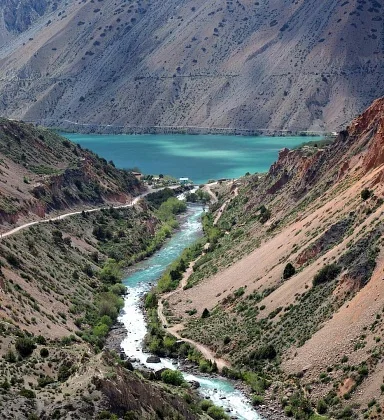
For travelers who want to explore beyond Uzbekistan, the Seven Lakes region of Tajikistan offers mountain scenery and colorful lakes. A trip from Samarkand requires advance planning for transportation and international border formalities.
Before booking any excursion, confirm travel times, border requirements, the route, and what is included in the price.
13. How Many Days Do You Need in Samarkand?
The amount of time you need depends on how deeply you want to explore the city.
One day in Samarkand
If you have only one day, focus on the main historical highlights:
Registan Square.
Gur-e-Amir Mausoleum.
Bibi-Khanym Mosque.
Siab Bazaar.
Shah-i-Zinda, if time permits.
This is a busy itinerary, so plan your transport and check opening hours in advance.
Two days in Samarkand
With two days, you can explore the main monuments at a more relaxed pace.
Day 1: Visit Registan Square, Gur-e-Amir Mausoleum, Bibi-Khanym Mosque, and Siab Bazaar.
Day 2: Explore Shah-i-Zinda, the Afrasiab Museum, Ulugh Beg Observatory, and a traditional craft workshop or local restaurant.
Three days in Samarkand
Three days allow you to explore the main attractions without rushing and leave time for local food, photography, shopping, and a cultural experience.
You could also consider a regional excursion, depending on your interests and available transportation.
14. Practical Tips for Visiting Samarkand
Before your trip, keep these practical points in mind.
Best time to visit: Spring and autumn are generally comfortable for walking tours. Summer can be very hot, so plan outdoor sightseeing accordingly.
Getting around: Some attractions are close enough to combine on foot, while others are easier to reach by taxi or private vehicle.
Entrance tickets: Some monuments and museums charge admission. Check current prices and opening hours before visiting.
Clothing: Wear comfortable shoes and dress respectfully at religious sites.
Money: Carry some Uzbekistani som in cash for small purchases and places that may not accept cards.
Photography: Respect posted restrictions and ask permission before photographing people.
Guided tours: A knowledgeable local guide can help explain the history, symbolism, and cultural context of the city's monuments.
Train tickets: If you are traveling onward to Bukhara or Tashkent, book popular train services in advance whenever possible.
Frequently Asked Questions About Samarkand
What is Samarkand famous for?
Samarkand is famous for its Silk Road heritage, Registan Square, Shah-i-Zinda, Gur-e-Amir Mausoleum, Bibi-Khanym Mosque, traditional markets, and historic architecture.
Is one day enough to visit Samarkand?
One day is enough to see several major attractions, but you will need to prioritize. Two days are generally more comfortable if you want to explore the main monuments, markets, and museums without rushing.
What is the most famous attraction in Samarkand?
Registan Square is generally considered the city's most recognizable landmark. Its three historic madrasahs make it one of the most memorable architectural ensembles in Central Asia.
Can you explore Samarkand on foot?
You can explore several attractions on foot, particularly around the historic center. However, some sites are farther apart, so a taxi or private vehicle may make the day more convenient.
Is Samarkand expensive for tourists?
Costs depend on your accommodation, restaurant choices, transportation, entrance tickets, and whether you book guided tours. Planning your itinerary in advance can help you manage your budget.
What should I wear when visiting Samarkand?
Comfortable walking shoes and weather-appropriate clothing are recommended. At religious sites, dress respectfully and follow any specific visitor instructions.
Is a guided tour worth it in Samarkand?
A guided tour can be especially valuable if you are interested in the history and architecture of the Silk Road. A guide can provide context that is not always obvious from simply looking at the monuments.
Final Thoughts
Samarkand is a city where history, architecture, food, and everyday life come together. From the grand scale of Registan Square to the colorful passageways of Shah-i-Zinda and the lively atmosphere of Siab Bazaar, there is something for every kind of traveler.
Whether you have one day or several, planning your route carefully will help you discover the city's most important landmarks while leaving time to enjoy its culture and hospitality.
At Union Travel Uzbekistan, we help visitors explore Samarkand with local knowledge, guided sightseeing, and convenient transportation options.
Planning your visit? Explore our Samarkand city tours and discover the history of the Silk Road with a local team.
Union Travel Uzbekistan — discover Samarkand beyond the monuments.