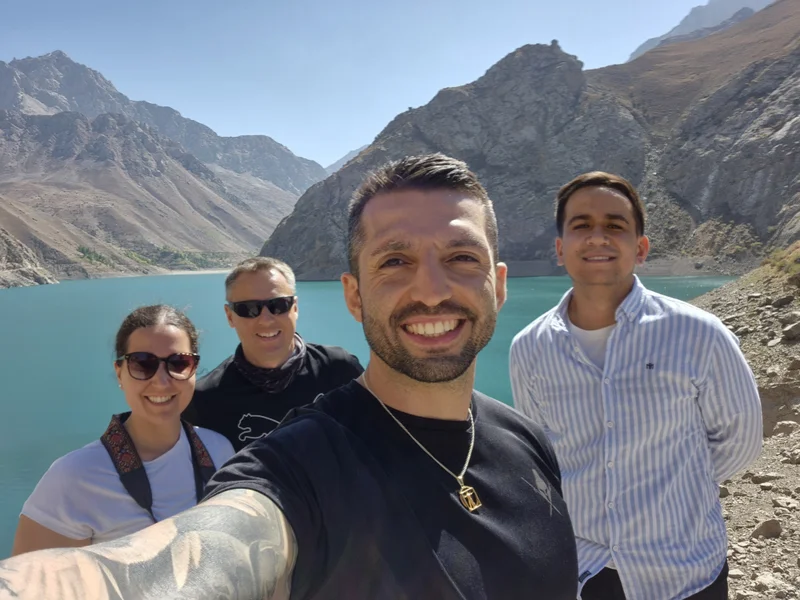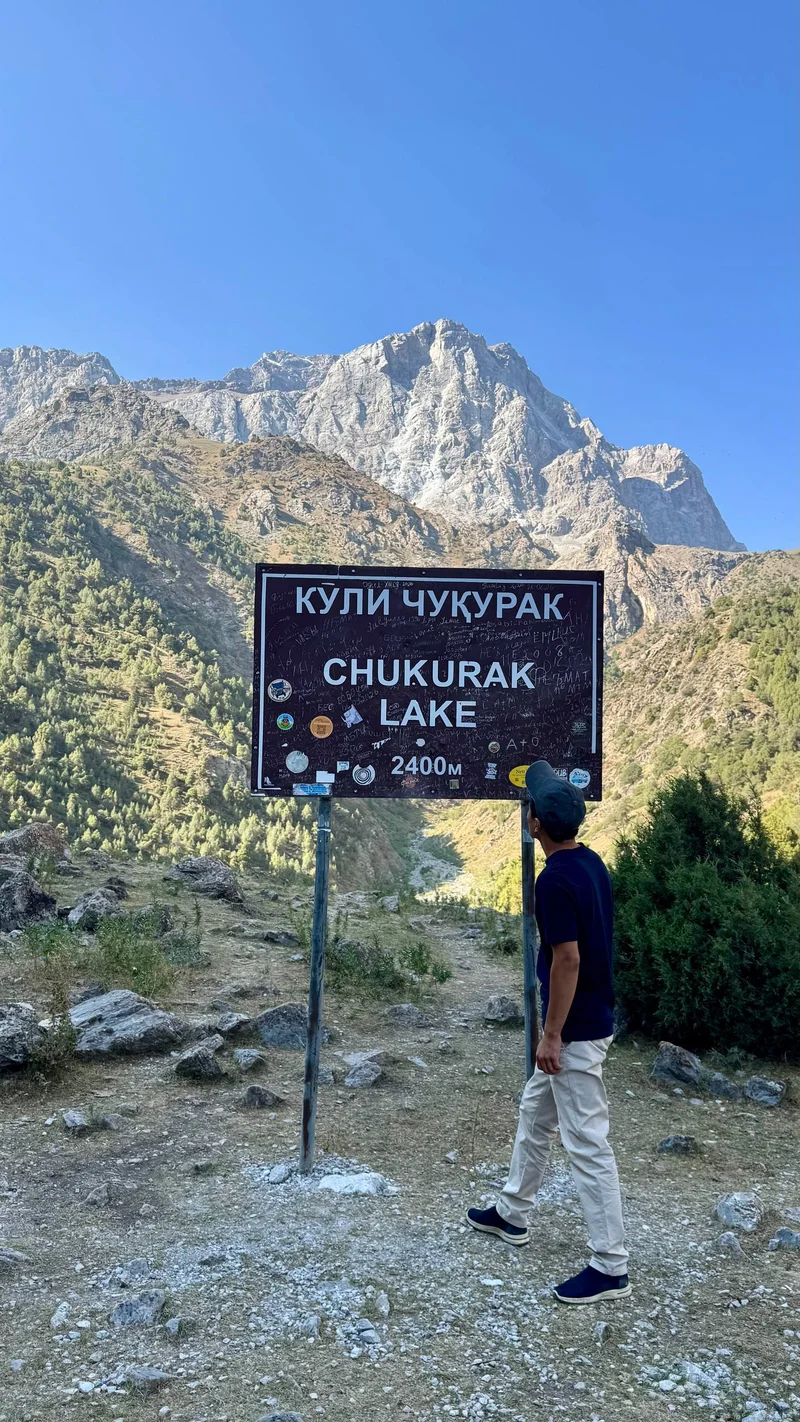

Imagine turquoise mountain lakes surrounded by steep cliffs, peaceful villages, and the dramatic landscapes of the Fann Mountains. Just beyond the border of Uzbekistan lies one of Tajikistan's most beautiful destinations: the Seven Lakes, also known as Haft Kul.
For travelers staying in Samarkand, visiting the Seven Lakes is an opportunity to experience another country and discover a very different side of Central Asia. The journey combines historic Silk Road cities, rural life, mountain scenery, and spectacular natural landscapes.
In this guide, Union Travel Uzbekistan explains how to travel from Samarkand to the Seven Lakes, what to expect at the border, how to explore the lakes, and how to prepare for a memorable day trip.
1. Where Are the Seven Lakes in Tajikistan?
The Seven Lakes, known locally as Haft Kul, are located in the Panjakent area of western Tajikistan, in the Fann Mountains region.
The lakes stretch through a mountain valley and are known for their changing colors, which range from deep blue and turquoise to greenish shades depending on the lake, weather, and sunlight.
Each lake has its own character. Some are surrounded by steep rocky slopes, while others offer peaceful places to admire the landscape and take photographs.
The Seven Lakes are a popular destination for nature lovers, photographers, hikers, and travelers who want to explore beyond the major cities of Uzbekistan.
Because the lakes are located in a mountain region, road conditions, weather, and access may vary by season.
2. Can You Visit the Seven Lakes from Samarkand?
Yes. The Seven Lakes can be visited from Samarkand as a long day trip, provided that border arrangements, transport, and weather conditions allow.
Samarkand is a convenient starting point because it is relatively close to the Tajikistan border near Jartepa and the city of Panjakent.
A typical journey involves:
Pickup from your hotel or another agreed meeting point in Samarkand.
Transfer to the Uzbekistan–Tajikistan border.
Completion of border formalities and crossing on foot if required.
Meeting your Tajikistan-side driver or guide.
Traveling through the Panjakent area toward the Seven Lakes.
Exploring selected lakes and enjoying the mountain scenery.
Returning to the border and continuing to Samarkand.
The exact schedule depends on border procedures, road conditions, the number of stops, and how long you spend at each lake.
Travel tip: Start early. The journey involves an international border crossing and mountain driving, so an early departure gives you more time at the destination.
3. What Documents Do You Need to Cross into Tajikistan?
Because this trip involves crossing an international border, document requirements are one of the most important things to check before departure.
Your requirements depend on your nationality, passport, residency status, and the current rules of both countries.
Before traveling, confirm:
Whether you need a visa or can enter visa-free.
Whether your passport meets the applicable validity requirements.
Whether the selected border crossing is open to your nationality and type of traveler.
Whether any additional registration or supporting documents are required.
Whether your return arrangements are suitable for your entry status.
Travelers should carry their original passports and any required visas or supporting documents.
Do not assume that the entry rules for Uzbekistan also apply to Tajikistan. The two countries have separate immigration requirements.
Check official information before your trip:
Tajikistan's official e-Visa portal: https://www.evisa.tj/
Uzbekistan's official e-Visa portal: https://e-visa.gov.uz/
Entry policies can change. Confirm the requirements for your nationality and travel dates before booking a non-refundable excursion.
4. How to Travel from Samarkand to the Seven Lakes
There are several ways to organize the journey, depending on your budget, preferred comfort level, and travel style.
Option 1: Private tour with transportation
A private tour is a convenient choice for travelers who want transportation arranged on both sides of the border.
Depending on the service booked, the arrangement may include:
Pickup from your hotel in Samarkand.
Transportation to the border.
Assistance with meeting the local driver on the Tajikistan side.
Private transportation to the lakes.
A planned sightseeing route.
A local guide, if included in the booking.
Lunch, if included in the selected package.
Confirm the exact inclusions before booking. Some tours include lunch and guiding services, while others offer transportation with meals or entrance charges handled separately.
A private tour is particularly suitable for couples, families, photographers, and small groups who prefer flexibility.
Option 2: Independent travel
Independent travel may be possible by arranging transportation to the border, crossing into Tajikistan, and organizing onward transport locally.
However, this requires more planning. You must coordinate transportation on both sides, confirm border procedures, communicate with drivers, and ensure you have enough time to return to Uzbekistan.
For travelers unfamiliar with the region, arranging the transport in advance can reduce uncertainty.
Option 3: Group tour
A group tour may be more economical when available, but departures generally depend on minimum group size and scheduled dates.
If you prefer a shared excursion, confirm the departure date, meeting point, language of the guide, included services, and cancellation conditions before booking.
5. Discover the Seven Lakes of Tajikistan
The Seven Lakes are commonly identified by the following names. Transliteration can vary between maps and local sources.
Lake 1: Nezhigon
Nezhigon is often the first lake encountered when traveling into the valley. Its name is commonly associated with eyelashes in local explanations.
The lake is surrounded by rocky slopes, creating a dramatic introduction to the Seven Lakes landscape.
Lake 2: Soya
Soya is known for its mountain setting and changing shades of blue and green. Sunlight and weather can influence how the water appears throughout the day.
Lake 3: Gushor
Gushor is another scenic stop along the route, surrounded by the rugged landscape of the valley.
It offers opportunities to admire the mountain environment and photograph the changing colors of the lakes.
Lake 4: Nofin
Nofin lies farther along the valley and is associated with nearby rural settlements.
The area offers a glimpse of mountain life, with traditional homes and a landscape shaped by the surrounding terrain.
Depending on your route and schedule, this may be a convenient place to pause for lunch.
Lake 5: Khurdak
Khurdak is generally described as the smallest of the Seven Lakes. Its name is associated with smallness.
The lake forms part of the continuing ascent through the valley toward the higher lakes.
Lake 6: Marguzor
Marguzor is one of the most famous and visually striking lakes in the region.
Its mountain backdrop and vivid water colors make it a favorite stop for photographers. The surrounding landscape can look very different depending on cloud cover and the time of day.
Lake 7: Hazorchashma
Hazorchashma is the final lake in the traditional sequence and is associated with the higher part of the valley.
Reaching it can require additional driving time, depending on road conditions and the chosen itinerary.
Not every excursion necessarily reaches all seven lakes. Weather, available daylight, road conditions, and the tour schedule can affect how far you travel.
6. What Does a Typical Seven Lakes Day Trip Look Like?
The following is an illustrative itinerary. Actual timings vary with border formalities, road conditions, and the selected tour.
Early morning — Departure from Samarkand
Meet your driver at your hotel or agreed pickup point and travel toward the Uzbekistan–Tajikistan border.
Morning — Border crossing and Panjakent
Complete the border formalities and meet your Tajikistan-side driver or guide. Depending on your schedule, you may stop in Panjakent for a short visit or refreshments.
Late morning — Enter the Seven Lakes valley
Continue into the mountains, stopping at scenic viewpoints and selected lakes along the route.
Afternoon — Explore the lakes
Visit as many of the lakes as your itinerary and road conditions allow. Enjoy the scenery, take photographs, and have lunch if included in your package.
Late afternoon — Return toward the border
Begin the return journey in sufficient time to complete the border crossing and reach Samarkand.
Evening — Arrival in Samarkand
Arrive back in Samarkand, with the exact time depending on the day's conditions.
This is a full-day excursion, and the total duration can be substantial. If you prefer a slower pace, hiking, or more time in the mountains, consider asking about a longer private itinerary.
7. What Should You Bring on the Trip?
The Seven Lakes region is mountainous, and conditions can differ from those in Samarkand.
We recommend bringing:
Your original passport and any required visa documents.
Comfortable walking shoes.
Weather-appropriate clothing.
A warm layer, even during warmer months.
Sunscreen, sunglasses, and a hat.
Drinking water.
Snacks if meals are not included.
A camera or smartphone.
Cash for personal expenses.
Any personal medication you may need.
If you plan to walk beyond the roadside viewpoints, ask your guide about the terrain and the time available.
Avoid relying on mobile internet alone for navigation or communication in remote areas, where coverage may be limited.
8. When Is the Best Time to Visit the Seven Lakes?
The best time depends on the weather, road conditions, and the type of experience you want.
Spring
Spring brings changing mountain landscapes and flowing water. Conditions can vary, and some higher areas may remain cold or difficult to access.
Summer
Summer is often a popular period for mountain excursions because conditions can be favorable for sightseeing and outdoor activities. However, weather can change quickly in the mountains, and daytime temperatures differ between the valley and higher elevations.
Autumn
Autumn can offer beautiful colors and clear mountain views. As the season progresses, temperatures drop and daylight becomes shorter.
Winter
Winter conditions can make access more difficult because of snow, ice, and road conditions. Check local information before planning a winter excursion.
Our recommendation: Consider late spring through early autumn, but confirm current access and weather conditions before departure.
9. Is the Seven Lakes Trip Suitable for Everyone?
The trip can be enjoyable for many travelers, but it is important to understand the journey.
The drive involves mountain roads and may include long periods in a vehicle. Some viewpoints require short walks, and the terrain may be uneven.
Consider the following before booking:
Travelers who are sensitive to winding roads may find parts of the journey uncomfortable.
Families with children should discuss travel duration and stops in advance.
Travelers with limited mobility should confirm vehicle access, walking distances, and restroom availability.
Hikers should arrange a suitable itinerary rather than assuming a standard sightseeing tour includes long walks.
Conditions vary by route and season. If you have specific needs, discuss them with the tour provider before booking.
10. What Can You Eat During the Excursion?
Food arrangements depend on the tour package and where you choose to stop.
Some excursions include lunch, while others allow travelers to purchase a meal locally or bring their own food.
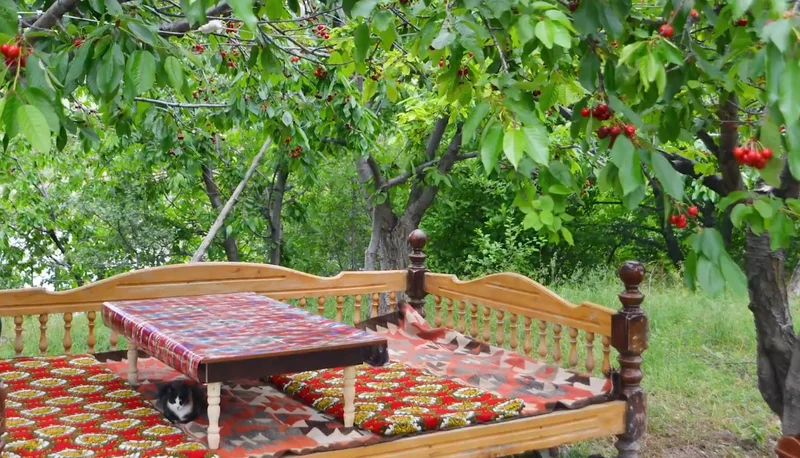
In the Panjakent area, you may encounter traditional Tajik and Central Asian dishes, including rice dishes, soups, bread, grilled meats, and seasonal produce.
If lunch is included in your tour, confirm whether drinks and any special dietary requirements are covered.
If you have dietary restrictions, inform your tour provider before departure rather than waiting until you reach the mountains.
11. How Much Does a Seven Lakes Trip from Samarkand Cost?
The price depends on the size of your group, the type of vehicle, whether a guide is included, meal arrangements, and the season.
Typical cost factors include:
Transportation in Uzbekistan.
Transportation in Tajikistan.
Guide services, if included.
Lunch and drinks.
Any additional activities or services.
Private versus shared arrangements.
When comparing tours, check the total package rather than the headline price alone. Confirm whether transportation on both sides of the border, meals, and guiding services are included.
For a private trip, ask for a quote based on your group size and travel date. For a shared tour, confirm the minimum number of participants and whether the departure is guaranteed.
12. Can You Combine the Seven Lakes with a Visit to Panjakent?
Yes, depending on your schedule and the route you choose.
Panjakent is an important historic town in western Tajikistan, with connections to the ancient Sogdian civilization and the history of the Silk Road.
A stop in Panjakent may include the local bazaar or selected historical attractions, depending on opening hours and the amount of time available.
If your main goal is to visit all seven lakes in one day, however, additional stops may reduce your time in the mountains.
Discuss your priorities with your tour provider before departure. Travelers interested in history may prefer a longer itinerary that combines Panjakent with the Seven Lakes.
Frequently Asked Questions
Can I visit the Seven Lakes from Samarkand in one day?
Yes, a day trip may be possible with an early departure and suitable border and transport arrangements. The journey is long, so the number of lakes you can visit depends on the day's conditions.
Do I need a visa for Tajikistan?
That depends on your nationality, passport, and travel circumstances. Check Tajikistan's official immigration and e-Visa information before traveling.
Do I need a guide for the Seven Lakes?
A guide is not necessarily required for every arrangement, but a local guide can help with logistics, local information, and communication. Check whether guiding services are included in your chosen package.
Can I swim in the Seven Lakes?
Do not assume swimming is permitted or safe at every lake. Water temperatures, access, local rules, and conditions vary. Follow local guidance and avoid entering the water unless it is confirmed to be safe and permitted.
Is there mobile internet in the Seven Lakes region?
Coverage can vary throughout the valley, and some areas may have limited or no service. Download important information in advance and agree on meeting arrangements with your driver.
Can I visit all seven lakes?
Some itineraries aim to visit all seven, but reaching every lake depends on road access, weather, daylight, and available time. Confirm the planned route before booking.
Should I book a private or group tour?
A private tour provides more flexibility over stops and timing. A group tour can be more economical when a departure is available. Choose according to your budget, preferences, and schedule.
Final Thoughts
The Seven Lakes of Tajikistan offer a remarkable opportunity to discover the natural beauty of Central Asia beyond the historic cities of Uzbekistan.
From the colorful waters of Marguzor to the peaceful mountain valley around Nofin, the region provides a refreshing contrast to Samarkand's monumental architecture and busy bazaars.
With the right preparation, a day trip can combine an international border crossing, mountain scenery, local culture, and unforgettable photographs.
At Union Travel Uzbekistan, we help travelers arrange excursions from Samarkand to Tajikistan, with transportation and tour options tailored to the itinerary and group size.
Planning to visit the Seven Lakes? Contact Union Travel Uzbekistan to discuss your travel date, border arrangements, transportation, and preferred itinerary.
Discover the Seven Lakes with Union Travel Uzbekistan — explore beyond the Silk Road.